This is a high-risk warning picture from the China Meteorological Administration. Recently, we are on the verge of evaporating. The high temperature of 38 ℃ has made us away from the outside world. Only air conditioning and water can arouse everyone's interest. At this time, going to the water park and indoor swimming pool to play has become a good choice for everyone.
While playing with water, we also noticed that in such a hot and humid environment, the choice of lamps for indoor lighting is very important, because long-term exposure to a humid environment, it is necessary to prevent water vapor, fog and other substances from entering the interior of the lamp body , causing hidden dangers. In this scenario, we need to pay attention to the IP rating of the lamps.So what is an IP rating?
The IP (INGRESS PROTECTION) protection level system is drafted by IEC (INTERNATIONAL ELECTROTECHNICAL COMMISSION), which classifies electrical appliances according to their dust-proof and moisture-proof characteristics.
The IP protection level is composed of two numbers.
The first number indicates the level of the electrical appliance being dust-proof and preventing the intrusion of foreign objects (the foreign objects referred to here include tools, and human fingers should not touch the live part of the electrical appliance to avoid electric shock),
The second number indicates the degree of airtightness of the electrical appliance against moisture and water immersion. The larger the number, the higher the degree of protection.
(1) The first number: anti-solid substance level
1—Protection against solid foreign objects with a diameter of 50mm and larger. Protection against objects with large surface areas such as hands (not against intentional intrusion);
2 - Protection against solid foreign objects of 12mm diameter and larger. Protect fingers or other objects whose length does not exceed 80mm;
3 - Protection against solid foreign objects with a diameter of 2.5mm and larger. Protecting tools, metal wires, etc. with a diameter or thickness exceeding 2.5mm;
4 - Protection against solid foreign objects of 1.0mm diameter and larger. Metal wires or strips with a protective thickness greater than 1.0mm;
5 - Protection from dust. It is impossible to completely prevent dust from entering, but the amount of dust entering will not affect the normal operation of the device;
6 - Impervious to dust. No dust enters.
(2) The second number: the level of anti-liquid substances
1 - Protection against water droplets (water droplets falling vertically);
2 - When the equipment is tilted 15 degrees, it is protected from water droplets. Water droplets falling vertically should not cause damage;
3 - Protection against splashing water. Water splashing from both sides of the vertical line at an angle of 60 degrees should not cause damage;
4 - Protective water spray. Water directed at the device from any direction should not cause damage when the device is tilted 15 degrees from its normal position;
5—Protection against water jets. Water jets aimed at the equipment from any direction shall not cause damage;
6 - Protection from big waves. Large waves or strong jets of water entering the equipment should not cause damage;
7—Protection against flooding. When immersed in water at a defined pressure and time, there should be no ingress of water in an amount capable of causing damage;
8 - Protection against flooding. The equipment may be immersed in water for extended periods of time under the conditions specified by the manufacturer.
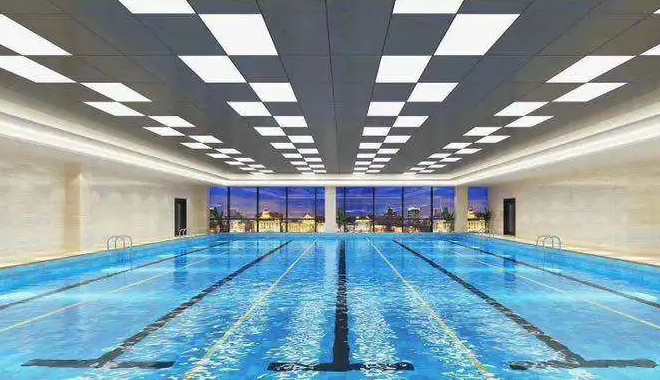
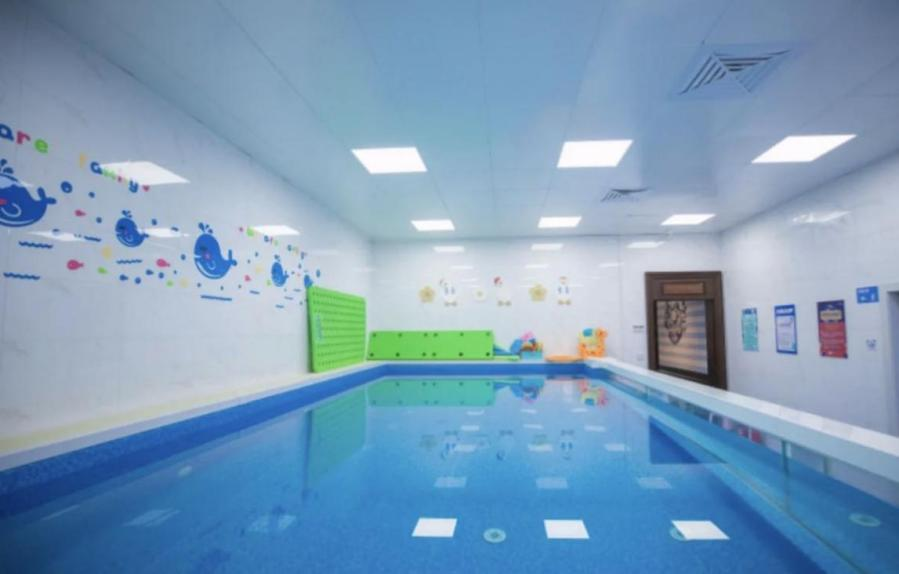 Our waterproof lights reach ip65, such as: swimming pools, kitchens, bathrooms, basements, car washes, and these places can be installed, not only beautiful, but also very convenient to install. If you have customer needs, you can recommend them this lamp.


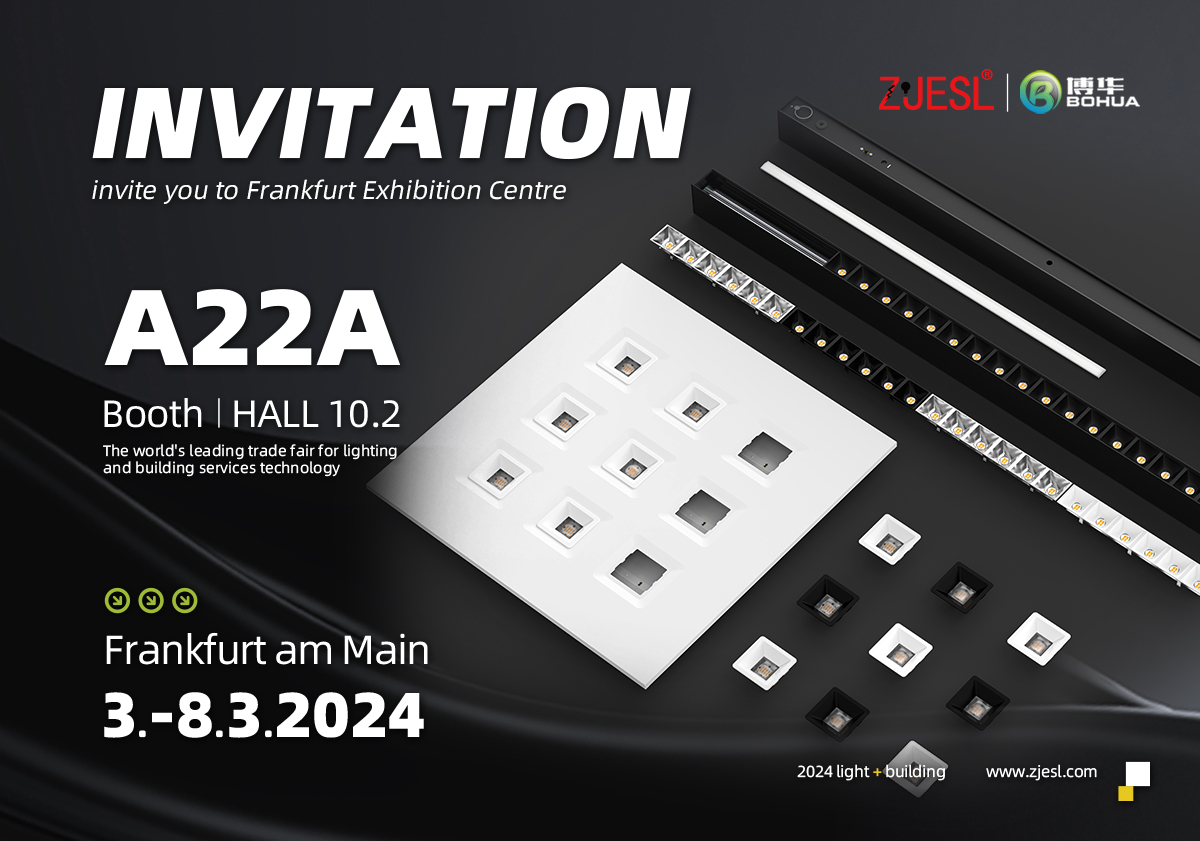 INVITATION OF FRANKFURT BUILDING+LIGHTING FAIR